
How Long Does the Australia eVisitor Visa Take? A Realistic Timeline
Most Australia eVisitor (Subclass 651) applications are decided within a few days, and many come through much faster than that, sometimes within hours. But “fast” isn’t the same as “guaranteed,” and if you’ve got a flight booked, the difference matters. This guide walks through what actually affects your processing time, when you should apply, and what to do if your trip is coming up faster than your visa.
The Short Answer
There’s no fixed, official number of days for the eVisitor visa. The Department of Home Affairs processes each application individually, and publishes an online processing times tool that’s updated monthly based on how recently decided applications actually performed, not a promise for your specific case.
That said, here’s the honest picture based on how the eVisitor system is generally known to work: a clean, complete application from an eligible passport holder is often approved same-day, and frequently within a few hours. Applications that get flagged for a closer look, whether because of a data mismatch, missing information, or a prior visa issue, can take noticeably longer. There’s no way to know in advance which bucket yours will fall into, which is exactly why timing your application matters more than obsessing over an average.
Why eVisitor Processing Times Vary So Much
The eVisitor is built to be one of the fastest visas in the Australian system. It’s free, entirely online, and designed for low-risk travelers from a defined list of eligible countries. Most of the time, the system can verify your details and clear the application automatically.
Delays happen when your application needs a human to look at it instead of the system clearing it on its own. A few things commonly trigger that:
Data mismatches. If the name, date of birth, or passport number on your application doesn’t exactly match your passport, the system can’t auto-verify you, and it gets pulled for manual review.
Incomplete answers. Skipping a question, giving a vague answer about your travel purpose, or leaving gaps in your travel history can all trigger a request for more information.
Previous visa issues. If you’ve had a visa refused or cancelled anywhere, including outside Australia, and don’t disclose it accurately, that’s a serious problem that will slow things down considerably and can affect the outcome of your application.
High-volume periods. Around major holidays and peak travel seasons, overall processing volumes rise across the system, which can add time even to straightforward applications.
Requests for supporting documents. If Home Affairs isn’t confident about your intended stay, your ties to your home country, or your financial situation, they may ask for documents like bank statements or an itinerary before deciding.
None of these are automatic disqualifiers. They just mean your application needs a person to review it rather than a system to clear it instantly, and that takes longer.
When Should You Apply?
Because you can’t predict in advance whether your application will sail through or get flagged, the safest approach is to apply with enough buffer that a slower outcome still doesn’t threaten your trip.
Two weeks or more before departure: This is the ideal window. It gives Home Affairs time to process a routine application comfortably, and still leaves room if yours happens to need a closer look or additional documents.
Three to seven days before departure: Still generally fine for most applicants, but you’re now relying on a normal processing outcome. If something in your application needs review, you’re cutting it close.
Within 24 to 48 hours of departure: This is genuinely risky. Many eVisitor applications do clear this fast, but you’re betting your trip on your specific application being one of them. If you’re in this window, don’t cancel or change existing bookings until your visa is actually granted, and be ready to contact your airline if a decision doesn’t come through in time.
If you’re transiting through Australia rather than stopping, note that the eVisitor doesn’t cover that. You’d need a Transit Visa (Subclass 771) instead, even if you’re only staying airside.
eVisitor vs. ETA: Which One Are You Actually Applying For?
A lot of confusion around processing time comes from mixing up the eVisitor with the ETA (Electronic Travel Authority), Australia’s other electronic visa. They serve similar purposes but apply to different passport holders.
| eVisitor (Subclass 651) | ETA (Subclass 601) | |
|---|---|---|
| Eligible passport holders | Citizens of the EU, UK, and a defined list of European and related countries | US, Canada, Japan, South Korea, Singapore, Malaysia, and a handful of others |
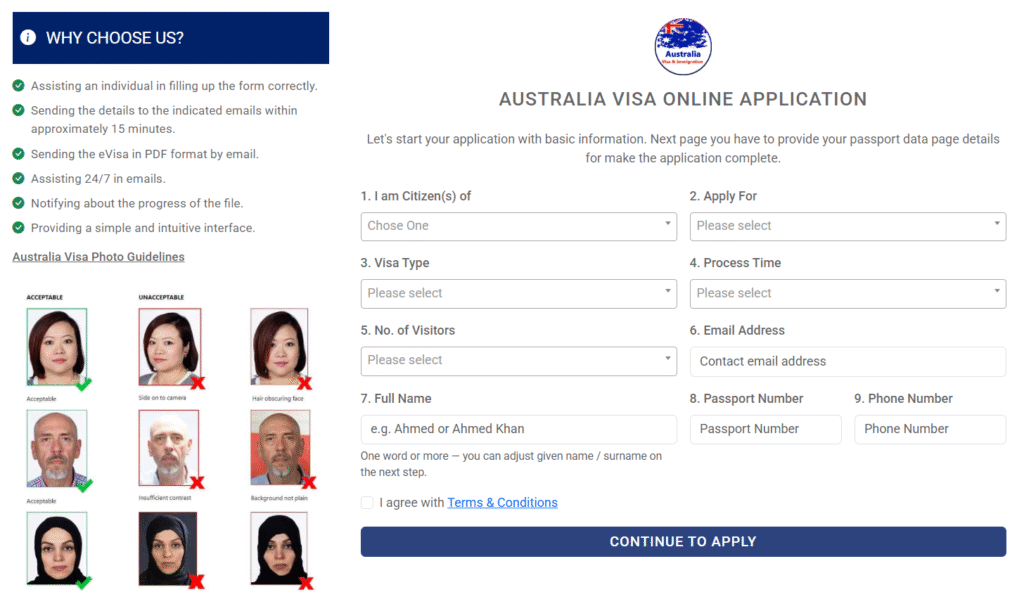
| Application method | Online through applyaustraliavisa.com | Online |
| Typical use case | Tourism, business visits, short-term study | Same general purposes |
If you’re not sure which one applies to you, check your passport’s country of issue against the eligible list before applying. Applying for the wrong one, or not being eligible at all, is its own source of delay.
What to Do If You’re Still Waiting Close to Your Trip
If your departure date is approaching and your application is still pending, don’t panic, but don’t sit on your hands either.
Don’t submit a second application. Applying again while one is already pending doesn’t speed anything up. It typically adds confusion and can slow down the original application.
Respond immediately to any request. If Home Affairs asks for a document or clarification, answer as soon as you can. The clock on additional requests generally doesn’t restart in your favor if you wait.
Have a contingency plan. If your visa genuinely won’t clear in time, contact your airline about your options before your flight. It’s a better conversation to have early than at the gate.
Common Mistakes That Slow Things Down
A few avoidable errors show up again and again in eVisitor applications:
- Entering passport details slightly wrong, a single transposed digit or a misspelled name is enough to trigger a manual check.
- Rushing through the travel history or purpose-of-visit sections with minimal detail.
- Not disclosing a prior visa refusal, thinking it won’t be found. It generally will be, and non-disclosure is treated far more seriously than the original refusal.
- Applying from inside Australia. The eVisitor must be applied for, and the outcome received, while you’re outside the country.
- Assuming the visa can be extended once you’re in Australia. It can’t. If you need longer than three months, you’d need to leave and apply for a different visa, such as the Visitor Visa (Subclass 600).
Frequently Asked Questions
Can the eVisitor visa be approved instantly? Yes, this happens often for straightforward applications from eligible passport holders. It’s not guaranteed for every applicant, since some cases require manual review.
Does applying through an agency make processing faster? No agency, including ours, can speed up a government decision. What a properly prepared application can do is reduce the chance of errors that cause delays in the first place, like data mismatches or incomplete answers.
What happens if my eVisitor application is refused? You can appeal a refusal through the Administrative Appeals Tribunal. If you choose to reapply instead, you’re required to disclose the previous refusal.
Is the eVisitor the same as a visa on arrival? No. It must be approved before you travel, and you need the outcome confirmed while you’re still outside Australia.
Applying With Confidence
Processing speed on the government side isn’t something any applicant or agency can control. What you can control is making sure your application is accurate and complete the first time, which is the single biggest factor in avoiding an unnecessary delay.
If you’d rather have someone check your details before you submit, Apply Australia Visa can help you get your eVisitor or Business eVisitor application in front of Home Affairs correctly the first time. You can also read more about Australian visa processing times generally if you’re weighing the eVisitor against another visa type, or check fees and processing details before you start.